Acne
How to treat black eyes
November 24, 2025
Pigmentation
May 12, 2026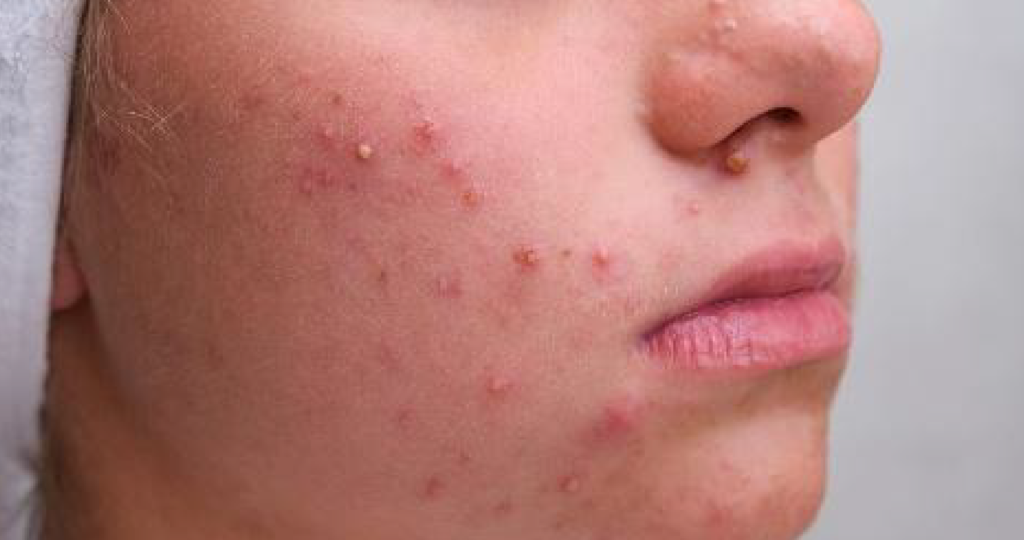
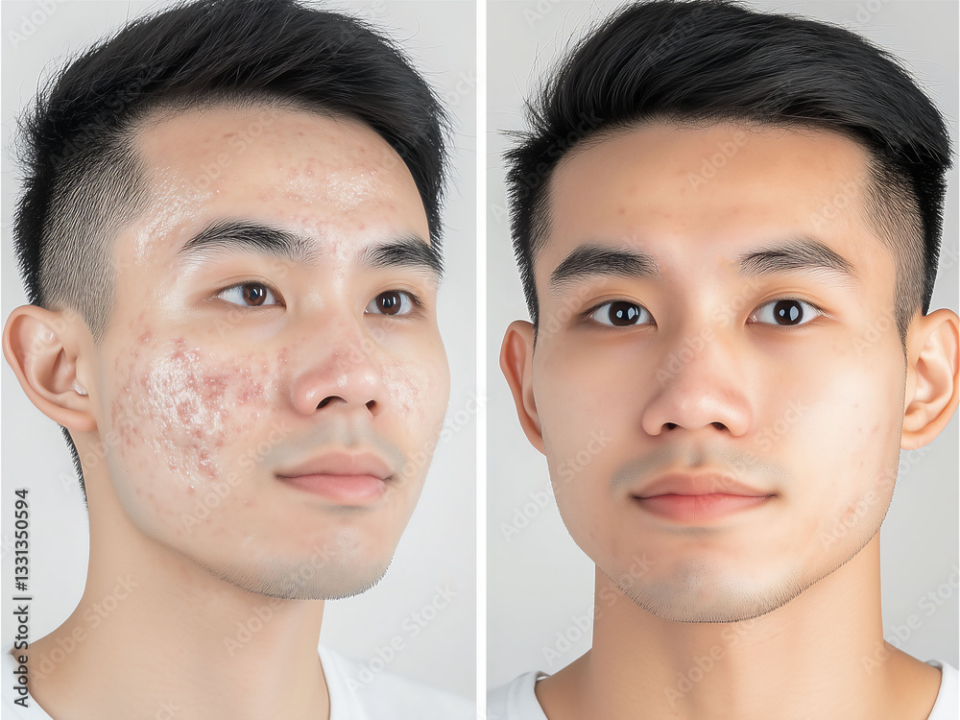
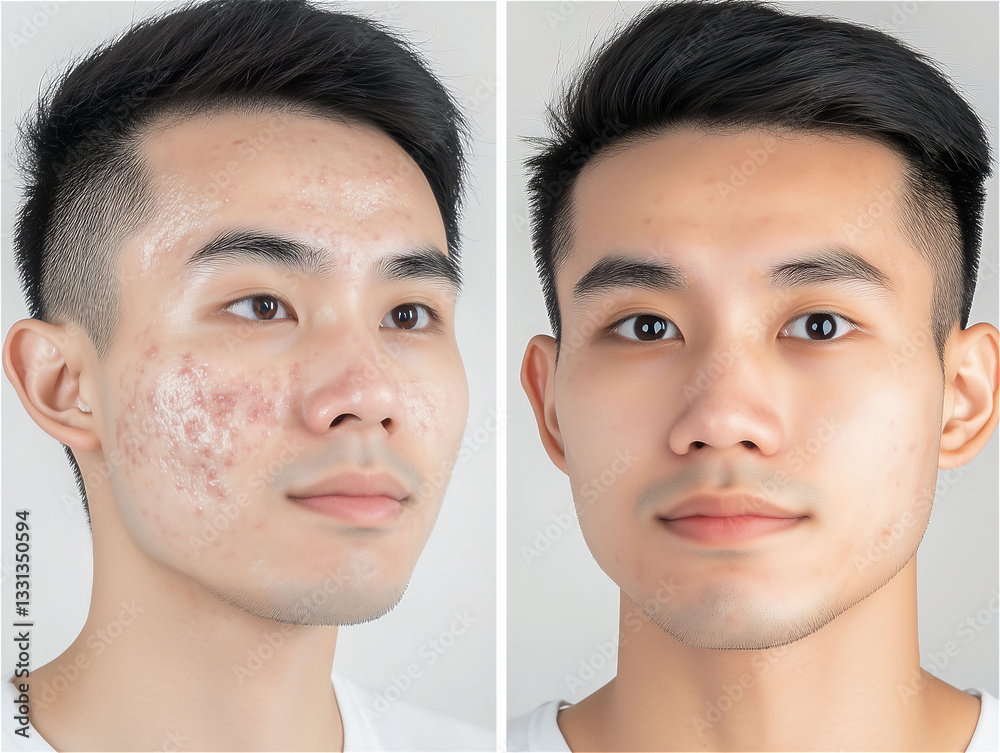
Acne is a common skin condition that occurs when the pores (hair follicles) become blocked with excess oil, dead skin cells, and bacteria, leading to inflammation of the skin.
It can present in different forms such as blackheads, whiteheads, pimples, and deeper inflammatory lesions like nodules or cysts. Acne most commonly affects areas with higher oil gland activity such as the face, chest, and back.
Acne develops due to a combination of factors, including increased oil production, hormonal changes, bacterial activity, and clogged pores. While it is not a serious medical condition, it can affect skin appearance and confidence.
If not managed properly, acne may also result in post-inflammatory pigmentation (dark spots) or permanent scarring.
What are the causes of acne?
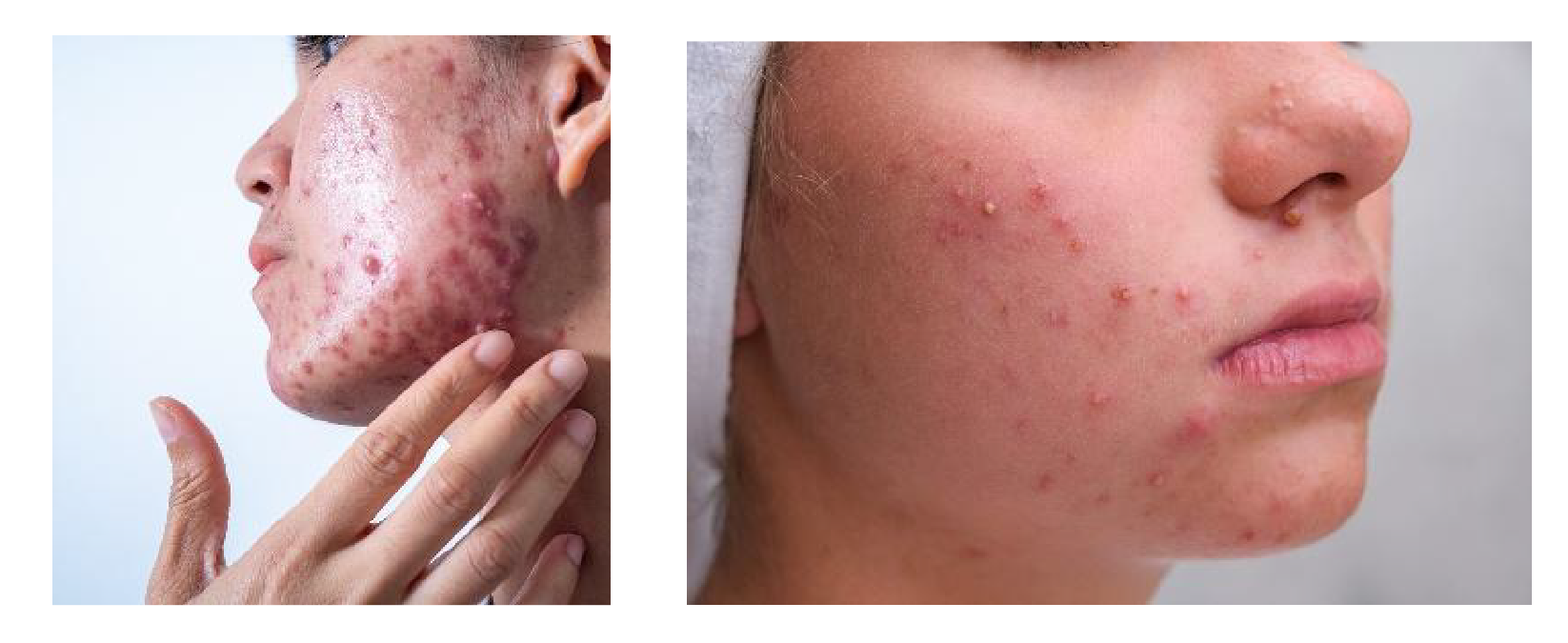
What are the types of acne?
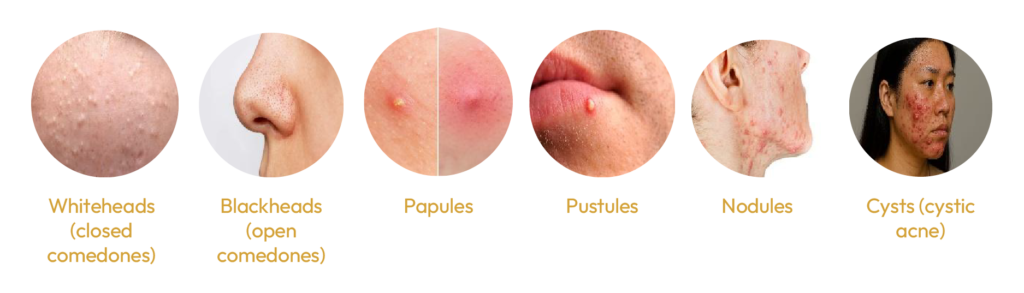
Whiteheads (closed comedones)
Occur when pores are clogged with oil and dead skin but remain closed, forming small bumps that are usually not inflamed.
Blackheads (open comedones)
Form when clogged pores stay open; the surface oil oxidizes with air, turning dark (not due to dirt).
Papules
Develop when clogged pores become inflamed, resulting in small red, tender bumps without visible pus.
Pustules
A progression of papules where inflammation leads to pus formation, creating a red bump with a white or yellow center.
Nodules
Severe acne lesions that form deep within the skin, causing large, firm, painful lumps due to intense inflammation.
Cysts
The most severe type, where deep infection leads to soft, pusfilled swelling with a high risk of permanent scarring.
Acne Treatments We Offer:
- Laser Acne Treatment: Helps reduce acne-causing bacteria, calm active inflammation, and control excess oil production. It also helps improve overall skin clarity and texture.
- Medical Acne Treatment: Customized doctor-led treatment plans using topical and/or oral medication to control breakouts from within.
- Acne Scar Treatment: For post-acne marks and scars, we use advanced laser and skin-repair treatments to stimulate collagen and improve skin smoothness.
- Skin Rejuvenation Therapy: Helps strengthen skin barrier, reduce redness, and support long-term acne control.
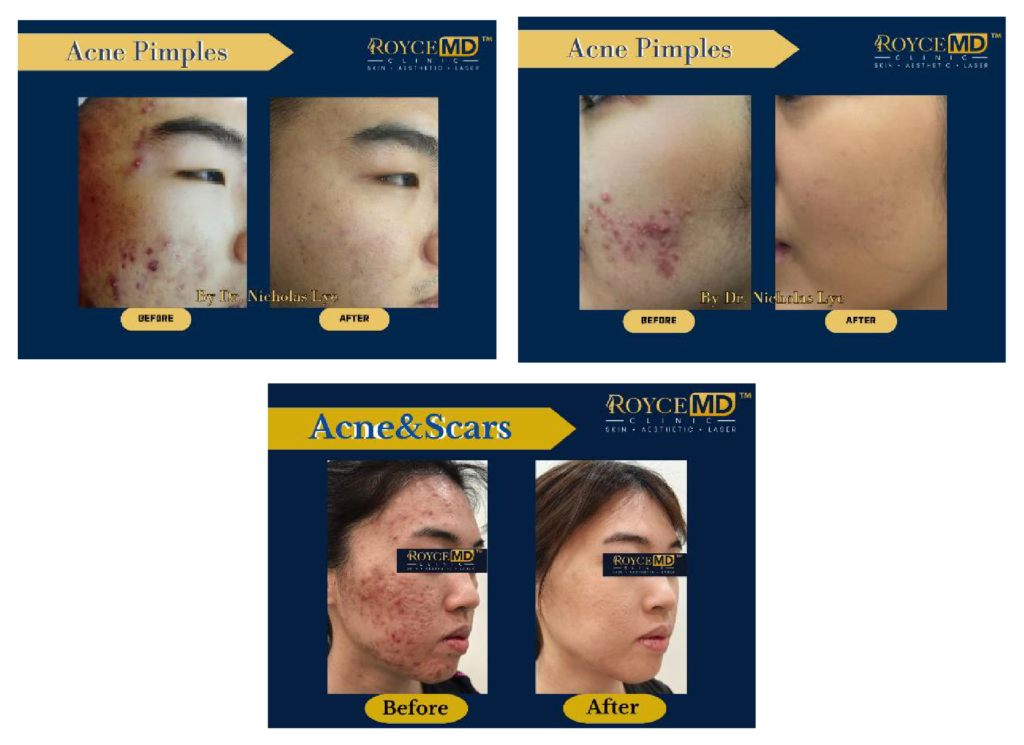
Before & After Patient Testimonial
Videos Explanation About Acne
Frequent Asked Questions (FAQs) about Acne in Malaysia
Why does acne occur in adults?
Adult acne is commonly linked to hormonal fluctuations, stress, skincare products, lifestyle factors, and increased sensitivity of the skin, rather than age alone.
What causes acne to persist or recur?
Acne often recurs when underlying factors such as excess oil production, clogged pores, bacterial activity, or hormonal influences are not adequately controlled.
Does diet influence acne?
Diet may contribute to acne in some individuals, particularly high-glycemic foods and dairy products. However, acne is typically multifactorial and not caused by diet alone.
Can stress worsen acne?
Stress does not directly cause acne but can exacerbate it by increasing hormonal activity that stimulates oil production and inflammation in the skin.
Why does acne worsen before menstruation?
Hormonal changes prior to menstruation can increase sebum production, leading to more frequent breakouts during this period.
Is acne related to poor hygiene?
Acne is not caused by poor hygiene. It is primarily a skin condition related to oil production, follicular blockage, bacteria, and inflammation.
Is it safe to squeeze pimples?
Manipulating acne lesions is not recommended, as it may worsen inflammation, increase the risk of infection, and lead to scarring or pigmentation.
Why does acne leave dark marks?
Post-inflammatory hyperpigmentation occurs as a result of skin inflammation, particularly in individuals with medium to deeper skin tones.
Will acne resolve without treatment?
Mild acne may improve over time; however, moderate to severe acne often requires medical intervention to prevent progression and scarring.
What treatment options are available for acne?
Treatment options may include medical therapy, topical or oral medications, laser treatments, chemical peels, and scar management procedures depending on severity.
How does laser treatment help acne?
Laser therapy can help reduce acne-causing bacteria, decrease inflammation, regulate sebaceous gland activity, and improve overall skin texture.
Can acne scars be treated?
Yes. Acne scars can be improved through various treatments such as laser resurfacing, skin regeneration therapies, and other advanced aesthetic procedures.
Why Choose Us ?
As one of the leading aesthetic clinics in Malaysia, RoyceMD Clinic provides high-quality treatments performed by certified medical practitioners. Whether your concern is improving skin health, treating acne, reducing pigmentation, refining facial features, or addressing signs of aging, RoyceMD Clinic offers a comprehensive range of advanced aesthetic, general health, and wellness solutions.
Our treatments are delivered using state-of-the-art technology, combined with evidence-based medical practice and personalised care, ensuring safe and effective outcomes in a professional yet comfortable environment designed to make every patient feel at ease.
At RoyceMD Clinic, we believe that every individual is unique. Each treatment plan is therefore carefully customised according to the patient’s specific skin condition, goals, and medical needs to achieve optimal and natural-looking results.