Pigmentation

Acne
May 12, 2026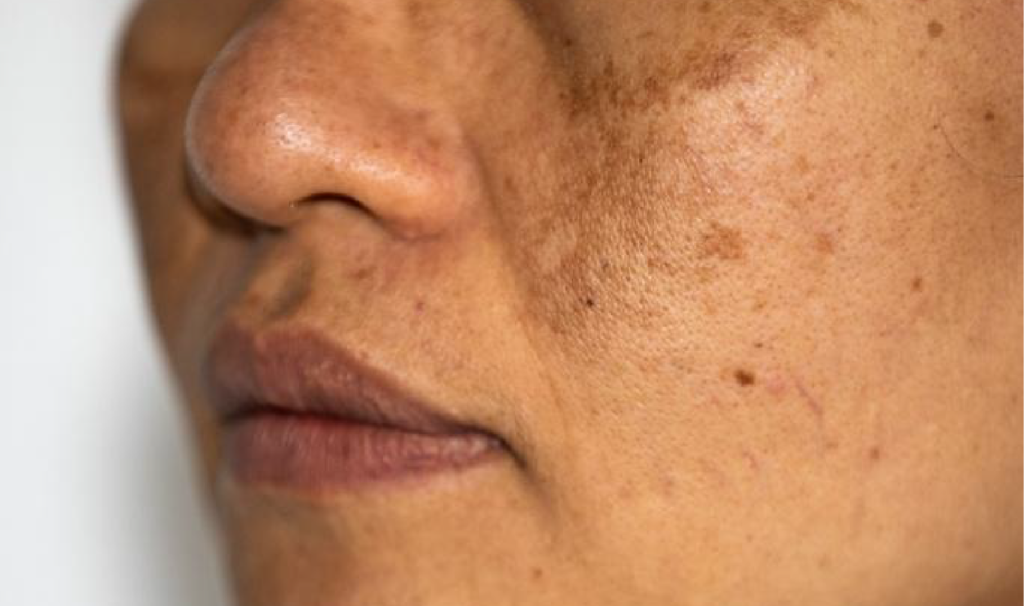
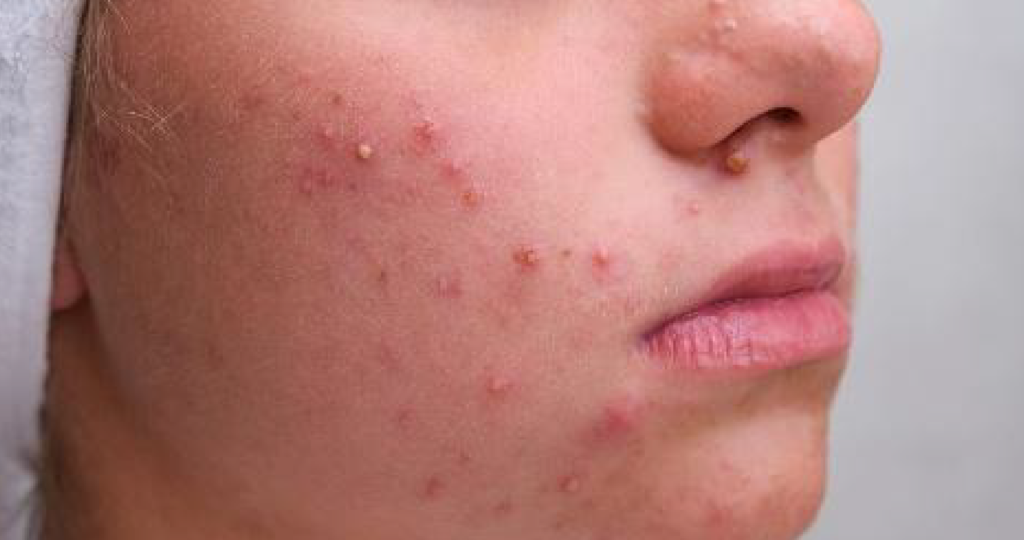
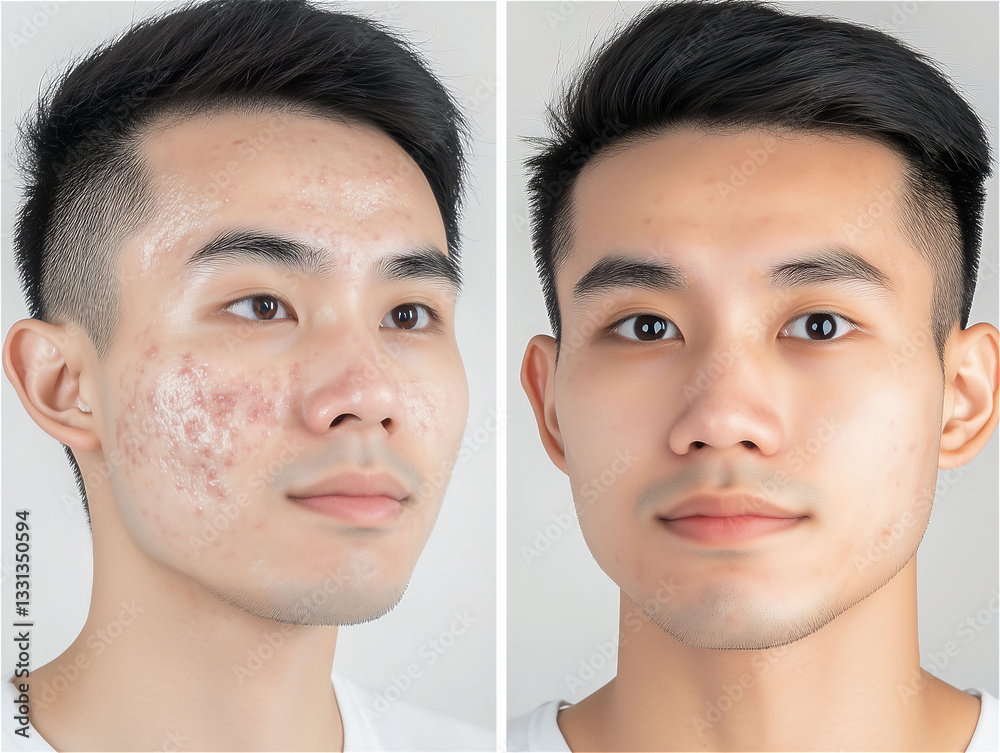
Pigmentation is the colouring of the skin determined by a natural pigment called melanin, which is produced by melanocytes. When melanin production becomes uneven or increases in certain areas, it leads to darker patches, spots, or an overall uneven skin tone. One of the most common forms is post-inflammatory hyperpigmentation, which often appears after acne or skin irritation.
It can be triggered by factors such as sun exposure, acne inflammation, hormonal changes, ageing, or skin injury. While pigmentation is not harmful medically, it can affect skin clarity and appearance. Management usually focuses on reducing excess melanin production and improving skin tone through sun protection, topical treatments, chemical peels, or laser therapy depending on severity. What are the causes of acne?
What are the causes of pigmentation?
What are the types of pigmentation?
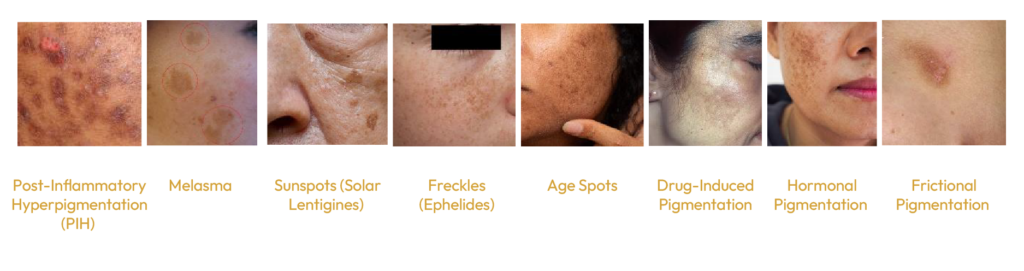
Post-Inflammatory Hyperpigmentation (PIH)
Occurs after skin inflammation such as acne, eczema, burns, or injury. The skin produces excess melanin during the healing process, leading to dark spots that can range from light brown to deep brown. It is especially common in medium to darker skin types and may fade over time but can persist without treatment.
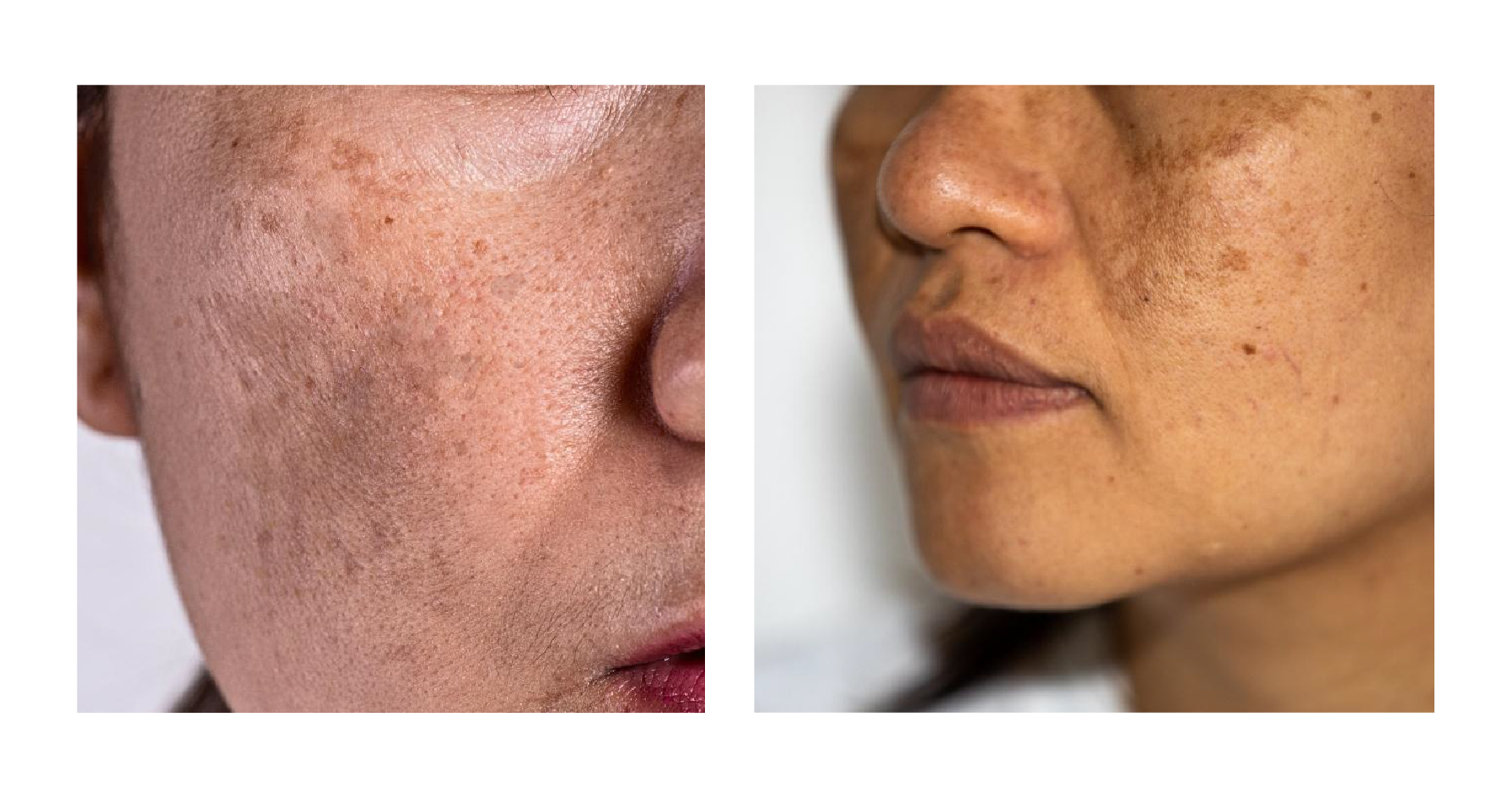
Melasma
Characterised by symmetrical brown or greyish patches, typically on the cheeks, forehead, nose, and upper lip. It is strongly associated with hormonal changes (e.g. pregnancy, oral contraceptives) and is worsened by sun exposure. Melasma tends to be chronic and may recur if triggers are not controlled.
Sunspots (Solar Lentigines)
Flat, well-defined dark patches caused by prolonged and repeated exposure to ultraviolet (UV) radiation. They commonly appear on sun-exposed areas such as the face, hands, shoulders, and arms. These spots develop gradually over time and are a sign of cumulative sun damage.
Freckles (Ephelides)
Small, light brown spots that are usually genetic and become more noticeable with sun exposure. They are commonly seen in individuals with lighter skin tones and tend to darken with UV exposure and fade when sun exposure is reduced.
Age Spots
Also known as liver spots, these are similar to sunspots but are more commonly associated with ageing skin. They appear as larger, darker patches and are the result of longterm sun exposure combined with the natural ageing process of the skin.
Drug-Induced Pigmentation
Caused by certain medications that can stimulate melanin production or lead to pigment deposition in the skin. The pigmentation may appear as diffuse darkening or localized patches and can vary depending on the type and duration of medication used.
PigmentationTreatments We Offer:
- Laser Pigmentation Treatment – Breaks down excess melanin, reduces dark spots, and improves overall skin clarity.
- Medical-Grade Skincare – Doctor-prescribed topical treatments to control pigment production and maintain results.
- Chemical Peels – Exfoliates pigmented skin cells and promotes brighter, more even skin tone.
- Skin Boosters & Regenerative Treatments – Enhances skin repair, hydration, and overall skin quality for better tone and texture.
- Personalised Treatment Plans – Customised approach based on pigmentation type, skin condition, and individual needs for optimal results.
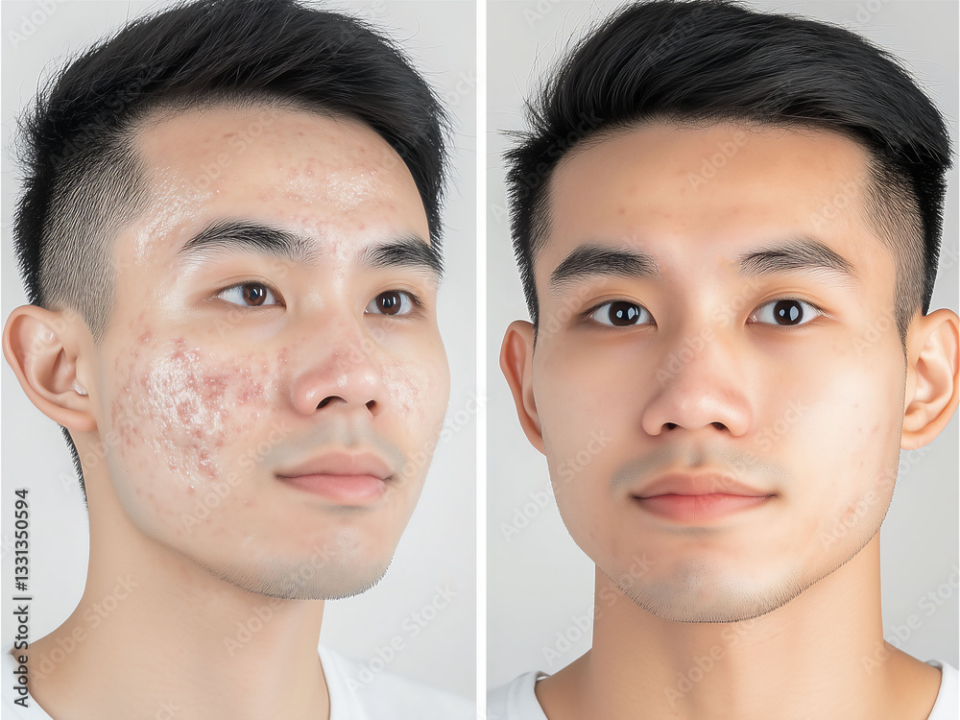
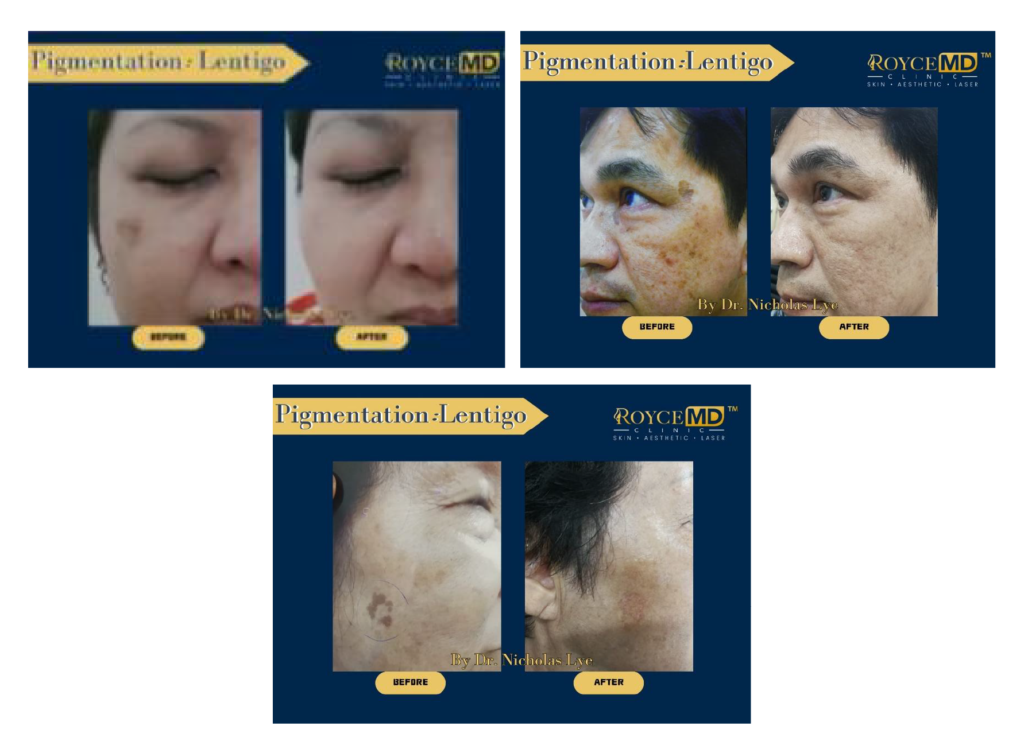
Before & After Patient Testimonial
Videos Explanation About Pigmentation
Frequent Asked Questions (FAQs) about Pigmentation in Malaysia
What Is Skin Pigmentation And What Causes It?
Skin pigmentation refers to the darkening of certain areas of the skin due to excess melanin production. It can be caused by sun exposure, acne or inflammation, hormonal changes, ageing, and certain medications.
What Are The Common Types Of Pigmentation?
Common types include post-inflammatory hyperpigmentation (PIH), melasma, sunspots (solar lentigines), freckles, and age spots, each with different causes and patterns.
Why Is Pigmentation More Common In Malaysia?
Malaysia’s strong UV exposure and humid climate can stimulate melanin production, making pigmentation more common and more persistent.
What Is The Difference Between Melasma And Sunspots?
Melasma usually appears as symmetrical patches influenced by hormones and sun exposure, while sunspots are discrete dark spots caused by long-term UV damage.
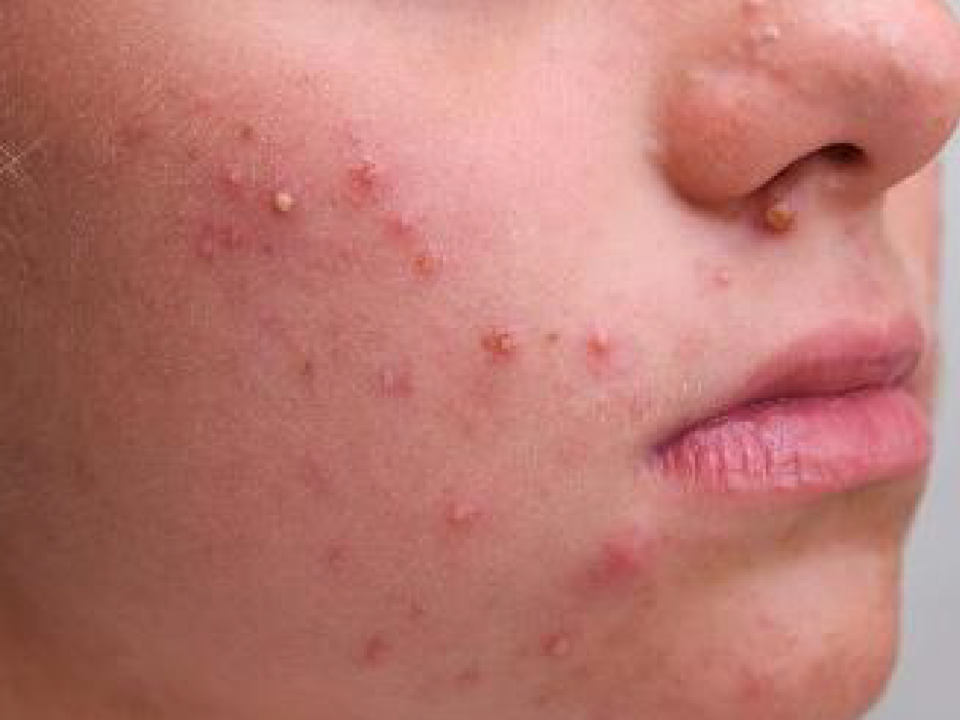
Can Acne Cause Pigmentation (PIH)?
Yes. After acne heals, the skin may produce excess melanin, leading to dark marks known as post-inflammatory hyperpigmentation.
How Does Laser Treatment Help With Pigmentation?
Laser treatment targets and breaks down excess melanin in the skin while promoting skin renewal, resulting in a clearer and more even skin tone.
What Is The Role Of Medical Skincare In Treating Pigmentation?
Medical-grade skincare helps regulate melanin production, reduce inflammation, and maintain treatment results over time.
How Many Sessions Are Needed For Pigmentation Treatment?
The number of sessions varies depending on the type and depth of pigmentation, but multiple sessions are usually required for optimal results.
Is Pigmentation Treatment Painful?
Most treatments are well tolerated. Patients may experience mild discomfort, but this is usually manageable and temporary.
Is There Any Downtime After Laser Pigmentation Treatment?
Downtime is generally minimal. Some redness or mild sensitivity may occur but typically resolves within a few days.
Can Pigmentation Be Completely Removed?
Some pigmentation can be significantly reduced or cleared, but certain types like melasma require ongoing management to prevent recurrence.
Why Does Pigmentation Keep Recurring?
Pigmentation may return if triggers such as sun exposure, hormones, or inflammation are not properly controlled.
Who Are Suitable Candidates For Pigmentation Treatment?
Individuals with uneven skin tone, dark spots, melasma, or post-acne marks who are seeking clearer skin are suitable candidates after medical assessment.
Can I Continue Using Skincare During Treatment?
Yes, but skincare may need to be adjusted to support treatment and avoid irritation. A doctor will recommend suitable products.
What Daily Care Helps Prevent Pigmentation From Worsening?
Consistent sun protection, proper skincare, and avoiding excessive sun exposure are essential to prevent pigmentation from worsening.
Why Choose Us ?
As one of the leading aesthetic clinics in Malaysia, RoyceMD Clinic provides high-quality treatments performed by certified medical practitioners. Whether your concern is improving skin health, treating acne, reducing pigmentation, refining facial features, or addressing signs of aging, RoyceMD Clinic offers a comprehensive range of advanced aesthetic, general health, and wellness solutions.
Our treatments are delivered using state-of-the-art technology, combined with evidence-based medical practice and personalised care, ensuring safe and effective outcomes in a professional yet comfortable environment designed to make every patient feel at ease.
At RoyceMD Clinic, we believe that every individual is unique. Each treatment plan is therefore carefully customised according to the patient’s specific skin condition, goals, and medical needs to achieve optimal and natural-looking results.